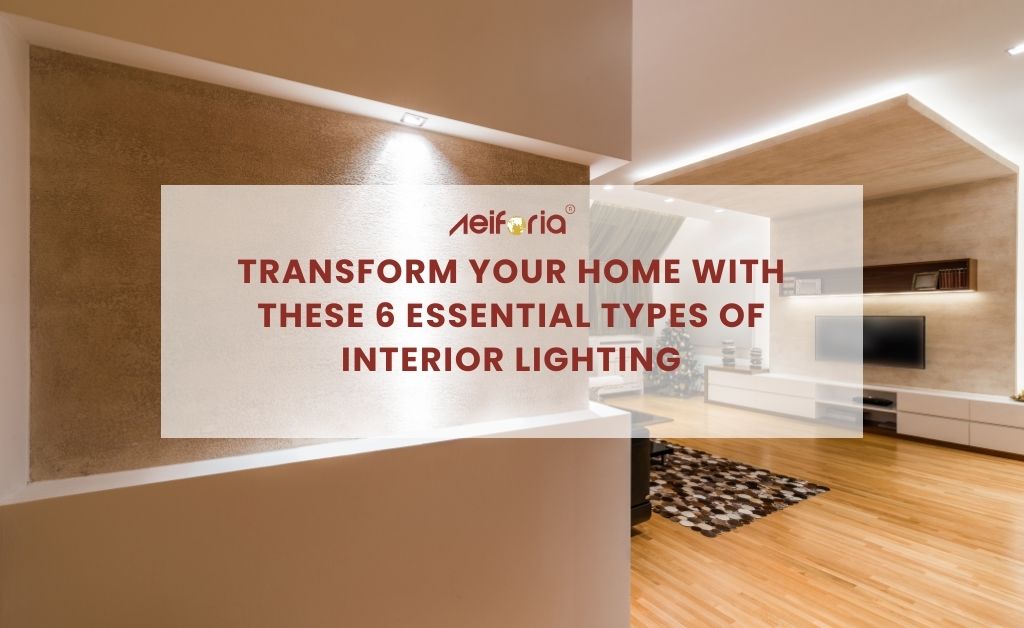


6 Types of Lighting in Interior Design: How to Perfectly Illuminate Your Space
Lighting is essential in interior design. It can change the feel of a room, make it look better, and even affect how we feel when we're in it. Whether you're decorating a comfy living room or a practical kitchen, it's good to know about the different kinds of lighting and how they can make your home look and feel great.
6 Types of Lighting in Interior Design
Ambient Lighting
Ambient or general lighting is a room's primary light source. It provides an even illumination level, allowing you to move around safely and perform basic tasks. Ambient lighting is critical when creating a pleasant atmosphere in a room. This type of lighting is usually provided by ceiling lights like chandeliers, recessed lights, or track lighting.
Examples of Ambient Lighting:
- Ceiling-mounted fixtures
- Chandeliers
- Recessed lights
- Wall-mounted fixtures
How to Use Ambient Lighting Effectively: To ensure the room is well-lit, it's essential to spread the light evenly. To do this, you can use a mix of ceiling lights and lights on the walls. Choose light fixtures that look good and give off enough light.
Task Lighting
Task lighting is designed to help you with specific activities like reading, cooking, or working. It provides focused light to make these tasks more accessible and more comfortable. It is essential for areas that require higher levels of illumination and precision.
Examples of Task Lighting:
- Desk lamps
- Under-cabinet kitchen lights
- Vanity lights in the bathroom
- Pendant lights over a kitchen island
Best Practices for Task Lighting: Place task lighting where needed, like above a workspace or beside a reading chair. Make sure the light is strong enough to keep your eyes comfortable but not so strong that it makes it hard to see because of reflections.
Accent Lighting
Accent lighting adds drama and focus to a room by highlighting specific features such as artwork, architectural details, or decorative objects. It creates visual interest and depth, drawing attention to the room's focal points.
Types of Accent Lighting:
- Track lights
- Wall-mounted picture lights
- Recessed spotlights
- Landscape Lighting
Tips for Effective Accent Lighting: Use accent lighting to draw attention to your room's focal points. The key is to use three times as much light on the focal point as the general lighting around it. This creates a contrast that catches the eye.
Decorative Lighting
Decorative lighting is a statement piece in interior design, combining functionality with aesthetic appeal. These fixtures add character and style to a room, often becoming their focal point.
Examples and Styles:
- Chandeliers
- Pendant lights
- String lights
- Statement lamps
When to Use Decorative Lighting: When using decorative lighting, it's best to think of it as a way to enhance the look of a room rather than as the primary source of light.
Natural Lighting
Remember to embrace natural light in your interior design. It makes your space look better and has many health benefits, like boosting your mood and making you more productive. Getting as much natural light as possible can also reduce the use of artificial lights during the day.
Importance of Natural Lighting: Natural light can make a space feel more inviting and spacious. It also benefits our health, boosting our mood and energy levels.
Ways to Maximize Natural Light:
- Use sheer curtains or blinds
- Place mirrors to reflect light
- Choose light-coloured paint for the walls
- Install skylights
Benefits of Natural Lighting: Natural light reduces the need for artificial lighting, saving energy. It also helps our bodies follow a natural sleep-wake cycle and makes us feel better overall.
LED Lighting
LED (Light Emitting Diode) lighting is famous for its energy efficiency and versatility.
Advantages of LED Lighting:
- Long lifespan
- Energy-efficient
- Available in various colors and temperatures
- Environmentally friendly
Common Uses of LED Lights:
- Recessed lighting
- Under-cabinet lighting
- Outdoor Lighting
- Smart bulbs
Energy Efficiency and LED Lighting: LED lights are an excellent choice for reducing energy consumption because they use much less energy than traditional bulbs and last much longer.
Smart Lighting
Bright lighting has changed the way we design our homes by making it easier to control our lights. With colorful lighting, you can use your phone and voice or set schedules to turn lights on and off, which can help save energy.
Benefits of Smart Lighting Systems:
- Convenience of controlling lights remotely
- Ability to set schedules and timers
- Integration with other smart home devices
- Customizable lighting scenes
Popular Smart Lighting Products:
- Philips Hue
- LIFX
- TP-Link Kasa Smart
- Google Nest
Lighting for Different Rooms
Every room in your home has specific lighting requirements. Here are some tips for different spaces:
Living Room Lighting: Combine ambient, task, and accent lighting. Use floor, table, and wall sconces for a layered effect.
Kitchen Lighting: Focus on bright task lighting for countertops and ambient lighting for overall illumination. Pendant lights hanging over the island and under-cabinet lighting are excellent options.
Bedroom Lighting: Dimmable ambient lighting creates a relaxing atmosphere. Use bedside lamps for reading and accent lighting to highlight artwork.
Bathroom Lighting: Ensure bright task lighting around the vanity. Recessed lighting and sconces work well for ambient lighting.
Lighting Fixtures
It's essential to pick the right lighting fixtures because they affect how well you can see and the room's look.
Types of Lighting Fixtures:
- Ceiling fixtures
- Wall sconces
- Pendant lights
- Recessed lights
Choosing the Right Fixture: When selecting a light fixture for a room, consider the room's size, the overall style, and how much light you need. Ensure the light is bright enough and the room's decor looks good.
Installation Tips: Follow the manufacturer's instructions for installation. If you need more clarification, hiring a professional electrician is best to ensure safety and proper installation.
Lighting Design Tips
Creating a well-lit home involves more than just choosing the right fixtures. Here are some design tips:
Layering Light: Mix different types of lighting, such as general, task, and decorative, to create a well-rounded and adaptable lighting setup.
Choosing the Right Bulbs: Consider the color temperature and brightness. Warm light (2700K-3000K) is cozy, while cool light (4000K-5000K) is energizing.
Using Dimmers and Controls: Dimmer switches allow you to change the brightness of your lights to better fit your specific needs and preferences. Smart controls add convenience and flexibility.
Energy-Efficient Lighting
Energy-efficient lighting helps reduce electricity bills and environmental impact.
Benefits of Energy-Efficient Lighting:
- Lower energy consumption
- Reduced greenhouse gas emissions
- Longer-lasting bulbs
Tips for Saving Energy:
- Use LED or CFL bulbs
- Turn off lights when not in use
- Install motion sensors or timers
- Maximize natural light
Eco-Friendly Lighting Options: Consider solar-powered lights for outdoor spaces. Look for fixtures made from sustainable materials.
Lighting Trends
Keep up with the latest design trends to keep your home looking stylish and modern.
Current Trends in Lighting Design:
- Minimalist fixtures
- Vintage and industrial styles
- Smart lighting solutions
- Bold, statement pieces
Future Predictions: In the future, you can expect to see more use of smart technology, designs that save energy, and new, creative, and advanced materials.
How to Incorporate Trends in Your Home: Start with minor updates, like new light fixtures or smart bulbs. Combine trendy pieces with timeless elements for a balanced look.
Common Lighting Mistakes
Avoid these common lighting mistakes to ensure your home looks and feels great.
Mistakes to Avoid:
- Relying on a single light source
- Using the wrong color temperature
- Ignoring the importance of dimmers
- Overlooking natural light
How to Fix Lighting Errors: To create a good balance of light, include several light sources in each room. Use suitable light bulbs for each space, and consider using dimmer switches to control the brightness.
Expert Tips: Plan your lighting design early in the renovation process. Consider both aesthetics and functionality for the best results.
Conclusion
Good lighting is essential when decorating the inside of your home. Different types of lighting can make your place look and feel different, so it's worth knowing how to use them well. By getting this right, you can make your home look great and work well for you.