

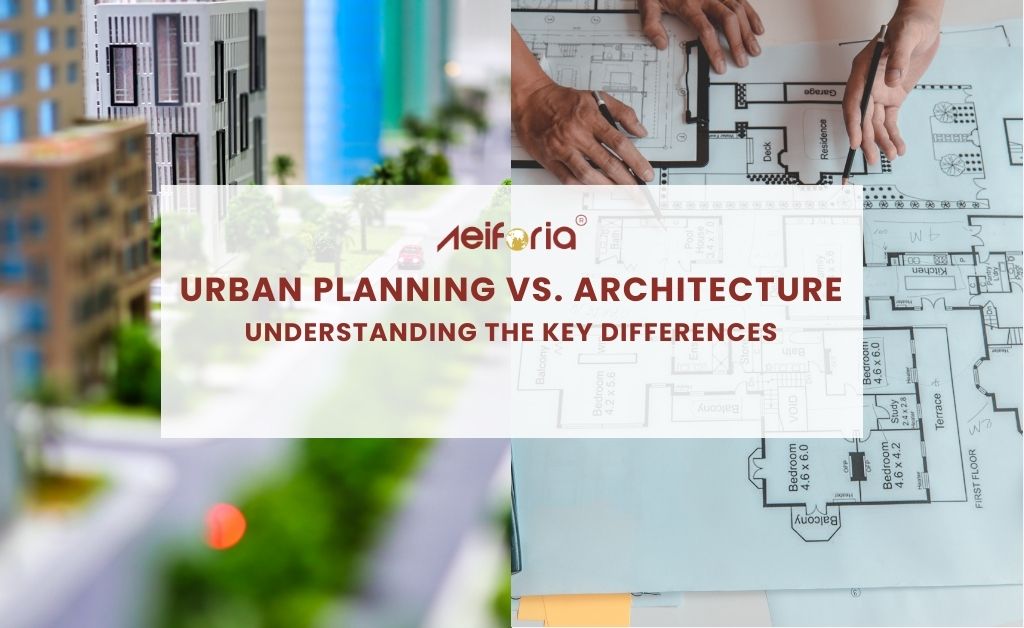
What is the Difference Between Urban Planning and Architecture?
Urban planning and architecture play essential roles in shaping the places where we live and work. While they are related, they have different jobs.
In this blog post, we'll talk about what urban planners and architects do and how they each contribute to creating our towns and cities.
Urban Planners: Shaping the City's Future
Urban planners are the folks who design and organize cities and towns. They work on ensuring that urban areas are planned in a way that makes them good places to live, work, and play. Here's what urban planners typically do:
- Long-Term Community Planning: Urban planners make long-term plans for how cities will grow and change. These plans look at how many people will live there, how the economy will grow, how people will get around, and how to care for the environment.
- Zoning and Land Use Management: They regulate land use through zoning laws, determining what types of buildings and activities can occur in specific areas. This helps manage urban sprawl, protect natural resources, and ensure harmonious development.
- Public Consultation and Policy Making: Engaging with the community and stakeholders is vital to an urban planner's job. They gather input, address concerns, and develop policies that reflect the needs and desires of the public.
- Infrastructure Development: Urban planners work with engineers, government officials, and other experts to create and carry out projects that improve cities, like building roads, setting up public transportation, creating parks, and managing utilities.
Architects: Designing the Built Environment
Architects are the creative minds responsible for designing buildings and other structures. Their work focuses on individual spaces' aesthetics, functionality, and safety. Here's what architects typically do:
- Building Design: Architects make detailed plans and drawings for buildings, thinking about how the space will be used, what materials to use, how light and air will come in, and how the building will look. They want to ensure the buildings they design are attractive and practical.
- Client Consultation: Architects translate their visions and needs into practical designs by working closely with clients. This involves understanding the client's goals, budget, and the intended use of the space.
- Construction Oversight: Architects often oversee the construction process, ensuring the project adheres to the design specifications, building codes, and safety regulations. They coordinate with contractors, engineers, and other professionals to bring their designs to life.
- Innovative Solutions: Architects are problem-solvers who tackle challenges such as space constraints, environmental impact, and integrating new technologies. They strive to create sustainable and innovative solutions that enhance the built environment.
Critical Differences Between Urban Planning and Architecture
While urban planning and architecture are interconnected, they serve different purposes and require distinct skill sets. Here's a breakdown of the key differences between the two fields:
- Scope and Scale: Urban planners work on a macro level, focusing on the planning and organizing of entire cities and regions. In contrast, architects work on a micro level, designing specific buildings and structures in urban areas.
- Focus and Objectives: The primary goal of urban planning is to create functional, sustainable, and equitable communities. On the other hand, architects focus on creating aesthetically pleasing, functional, and safe buildings.
- Regulatory Role: Urban planners are significant in policy-making and regulating land use. While adhering to building codes and regulations, architects are more involved in building design's creative and technical aspects.
- Collaboration and Consultation: Urban planners often engage with various stakeholders, including government officials, community members, and developers. Architects primarily collaborate with clients, contractors, and engineers to bring their designs to fruition.
Conclusion:
Urban planning and architecture are complementary fields that collectively contribute to creating our built environment. While urban planners provide the overarching framework and vision for urban development, architects bring that vision to life by designing individual buildings and spaces. Understanding the differences between these two fields allows us to appreciate the unique contributions of each in shaping the world around us.